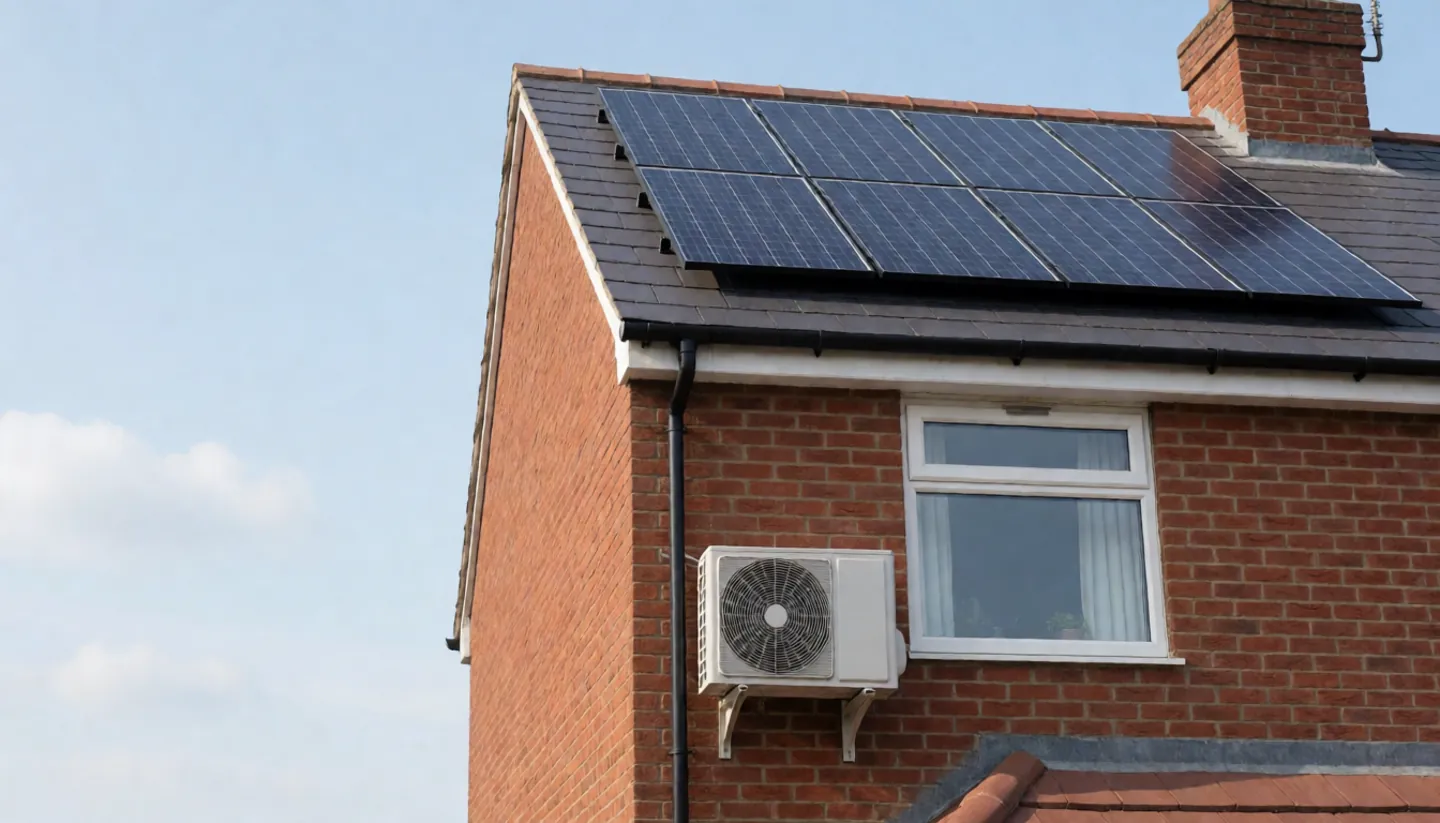
Sunshine heats homes and powers solar panels at the same time.
UK guidance puts the order plainly: keep the heat out first, let cooler air in at night, and only then reach for machine cooling. If you do, the sunny hours are when your own panels can help most.
AI-generated image, not a photograph of a real person or place.
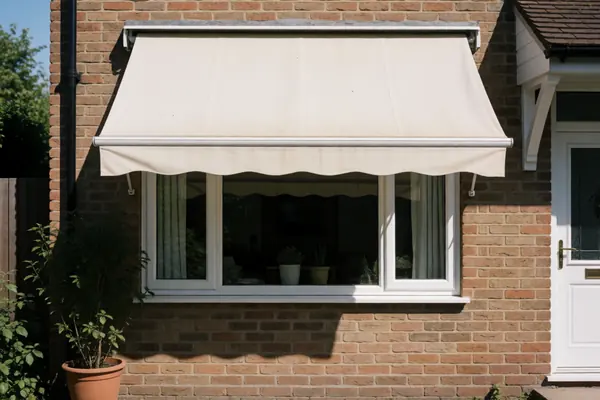
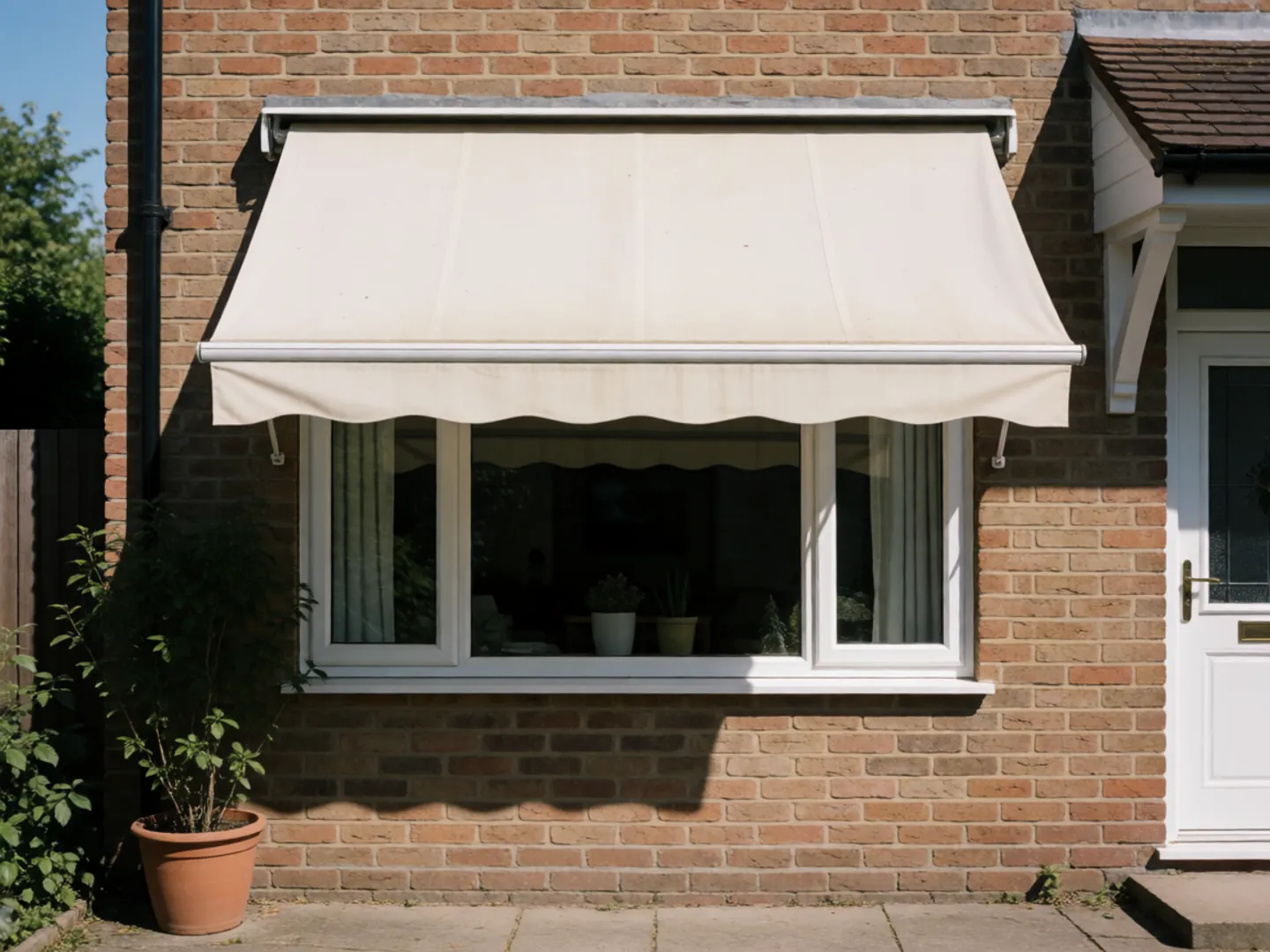
Block the sun
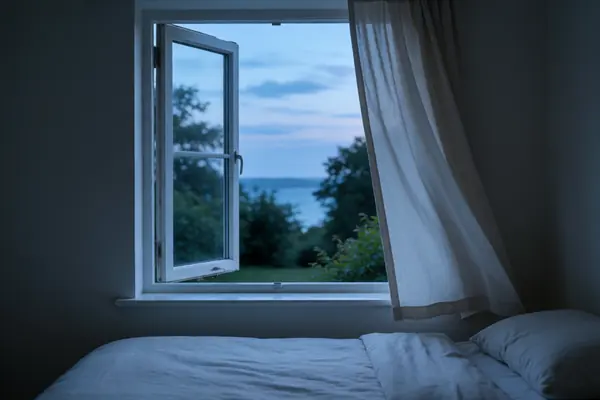
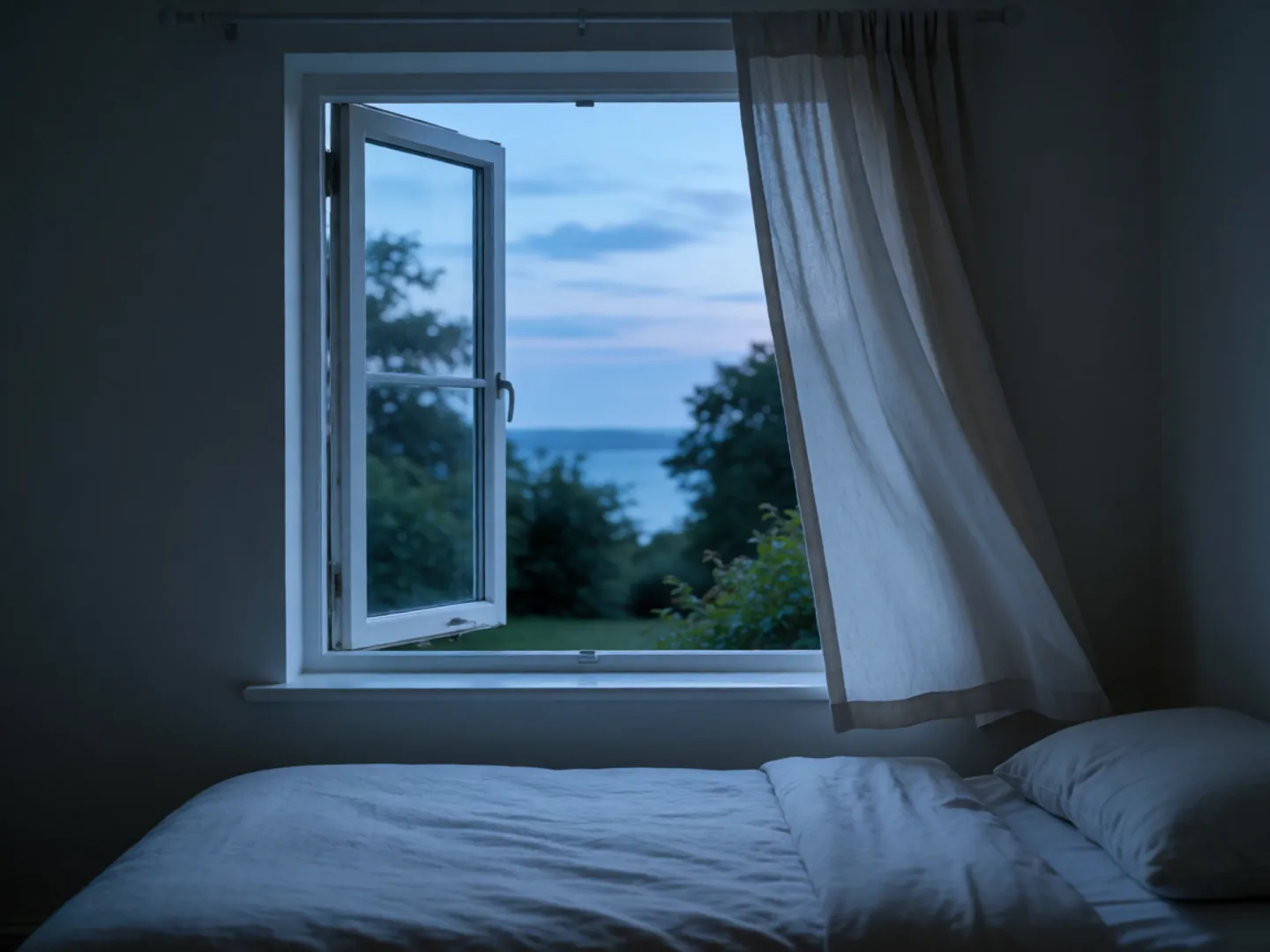
Air out at night
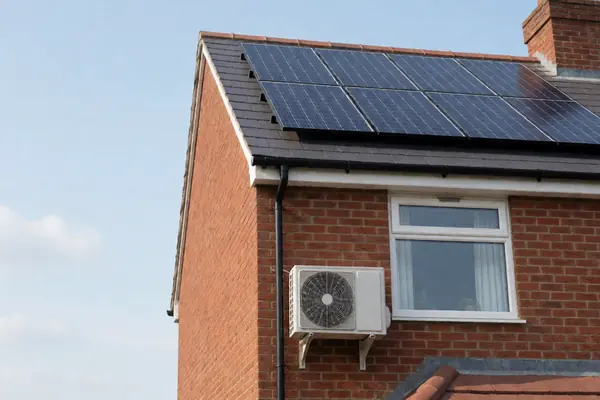
Cool while panels make power
Passive steps before machines
THE SHORT ANSWER
Keep heat out, then use the sun.
Cooling a UK home is mostly about timing. Guidance lists a few steps in a sensible order.
SHADE
Stop the sun at the glass
UK health guidance says external shutters, roller blinds or awnings are very effective, and internal blinds or curtains help too. Shade the windows the sun hits.
Solar panels make more electricity the stronger the sunshine. If you do run cooling, the bright afternoons that heat a home are when panels can cover more of it.
The IEA notes that peak cooling demand at night cannot be met with solar PV. Guidance suggests opening windows when the air outside is cooler, such as at night.
Pick a way of cooling to see where it sits in the guidance. The bar shows how far down the order it comes: passive steps first, machine cooling last.
Based on UKHSA's keep cool at home checklist and the Energy Saving Trust's air-to-air heat pump guide. General information, not personal health advice.
TWO NUMBERS WORTH KNOWING
Cooling is growing, and homes run hot.
One figure on the world's cooling demand, one from homes measured in London.
≈ 10%
Share used by air conditioners and fans
The International Energy Agency says air conditioners and electric fans use about a fifth of the electricity in buildings worldwide, or 10% of all global electricity consumption.
GLOBAL ELECTRICITY · IEA
85%
Homes above 27°C in a September mini-heatwave
In a 2023 sensor study of 40 homes in Southwark, every home went over 25°C, and 85% of households saw temperatures over 27°C during the early September mini-heatwave.
LONDON HOMES · UNIVERSITY OF GLASGOW
The IEA expects the global stock of air conditioners in buildings to grow from 1.6 billion to 5.6 billion by 2050, and says efficiency standards could cut the growth in energy demand from cooling in half.
FOUR STEPS, IN ORDER
Cool the rooms, not the planet.
The first three steps need no electricity at all. The last one is where solar panels earn their place on a hot day.
Shade the sunny windows
Close blinds or curtains on the windows the sun hits, or better, shade them from outside with shutters or an awning.
Let night air in
Open windows when the air outside feels cooler, often at night, and get air moving through the home.
Make less heat indoors
Switch off lights and equipment you are not using, check the heating is off and cook at cooler times.
Cool in the daylight hours
If you use machine cooling with solar panels, the Energy Saving Trust suggests using your own power in the day, with timers if you are out.
AI-generated image, not a photograph of a real person or place.AI-generated image, not a photograph of a real person or place.
HOMES THAT RUN HOT
Some homes trap the heat.
UKHSA lists the homes most likely to overheat: top-floor flats, homes with windows on only one side, large unshaded east, west or south-facing windows, dense urban areas and some highly insulated homes that can trap heat inside.
The 2023 Hot Homes study found some London homes were eight to ten degrees hotter at night than local weather station readings, and many recent builds were among the hottest homes measured.
Questions
Questions people ask
Is an air-to-air heat pump the same as air conditioning?
Very nearly. The Energy Saving Trust says air-to-air heat pumps operate in much the same way as many air conditioning systems, with indoor and outdoor units joined by refrigerant pipes, and can be set to cool as well as heat.
Can solar panels power air conditioning?
Panels make more electricity the stronger the sunshine, so sunny afternoons suit daytime cooling. But they produce nothing at night, and the IEA notes that night-time peak demand cannot be met with solar PV alone.
What should I try before air conditioning?
UKHSA suggests shading windows, opening windows when it is cooler outside, switching off unused equipment and using fans below 35°C. The Energy Saving Trust also says to consider passive cooling first.
Do these units bring in fresh air?
No. The Energy Saving Trust says air-to-air heat pumps recirculate the air already in the room, so you still need to ventilate the house as you would with any other heating system.
Are there grants for air-to-air heat pumps?
The Energy Saving Trust says the UK Government announced in November 2025 that the Boiler Upgrade Scheme will include air-to-air heat pumps. It says grants are not available yet, and systems will need an MCS-certified installer.